

 Coatings play a critical role in protecting various products and surfaces from corrosion, wear and tear, and environmental damage. To ensure the durability and effectiveness of coatings, rigorous testing is essential. One popular method for testing coating performance is through salt spray chambers, also known as salt fog chambers or salt spray tests. In this article, we will explore the basics of corrosion test chambers, their significance in coating efficiency, and what you need to know to master their usage.
What are Salt Spray Chambers?
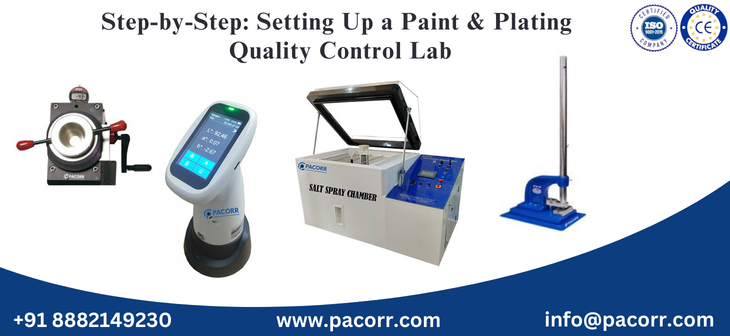
Salt spray chambers are controlled environments that simulate harsh corrosive conditions to test the performance of coatings, particularly their resistance to corrosion. They are widely used in industries such as automotive, aerospace, marine, and electronics, where products are exposed to challenging environmental conditions.
Corrosion test chambers work by creating a saline mist, which is sprayed onto the coated sample. This mist contains a high concentration of salt, typically sodium chloride (NaCl), which accelerates the corrosion process. The coated sample is then exposed to this mist for a specified period of time, and its performance is evaluated based on various parameters, such as corrosion rate, blistering, adhesion, and color change.
What You Need to Know to Master Salt Spray Chambers
To effectively utilize corrosion chambers and master coating efficiency, there are a few key things you need to know:
Test Parameters: Understanding the test parameters, such as temperature, concentration of salt solution, and exposure duration, is crucial in obtaining accurate and reliable results. It's important to follow the relevant standards, such as ASTM B117, to ensure consistent and standardized testing.
Sample Preparation: Proper sample preparation is essential for accurate testing. Samples should be thoroughly cleaned and coated according to the manufacturer's instructions. Any inconsistencies in sample preparation can affect the test results and lead to inaccurate conclusions.
Interpretation of Results: Interpreting the results of salt spray tests requires careful analysis. Parameters such as corrosion rate, blistering, and adhesion should be evaluated based on the specific requirements of the intended application. Understanding the significance of different results can help in making informed decisions about the performance of coatings.
Maintenance and Calibration: Proper maintenance and calibration of corrosion chambers are critical to ensure accurate and reliable results. Regular cleaning, calibration, and verification of the equipment are necessary to maintain the integrity of the testing process and obtain consistent results. Following the manufacturer's instructions and guidelines for maintenance and calibration is essential for mastering the usage of corrosion test chambers.
Conclusion
Salt spray chambers are invaluable tools in mastering coating efficiency by evaluating the performance of coatings under harsh corrosive conditions. They provide accelerated testing, quality control, performance optimization, and compliance with standards, allowing manufacturers to ensure the durability and effectiveness of their coatings. Understanding the test parameters, proper sample preparation, interpretation of results, correlation with real-world conditions, maintenance, and continuous improvement are crucial aspects of mastering the usage of corrosion chambers. By incorporating these best practices, manufacturers can enhance their coating performance, meet industry standards, and deliver high-quality products to their customers.
Recent Blogs
Enhance your understanding of testing and precise quality control indistinct applications with our
knowledge based articles coming from top editors of industry leaders.
Thanks to Pacorr Testing instruments, we have all the required quality testing instruments that have helped us to ensure the best quality delivered to our clients.

Danish
Fair Exports Pvt. Ltd.
