
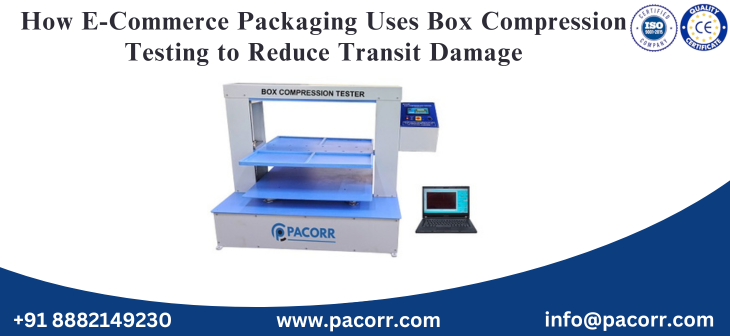
Pacorr has established itself as a trusted name in packaging testing solutions, supporting manufacturers, e-commerce sellers, and logistics-driven businesses in improving the durability and reliability of their packaging systems. As online shopping expands globally, products now travel through complex and multi-stage logistics networks that include automated warehouses, conveyor systems, distribution hubs, trucks, and last-mile delivery operations. With this tremendous rise in shipping frequency, the chances of packaging failure have also increased. Among the most important testing methods used to prevent transit damage, Box Compression Testing (BCT) remains a cornerstone for packaging quality.
Every year, businesses worldwide incur massive costs due to damaged shipments. Poor stacking strength, substandard carton quality, and insufficient load-bearing capacity are frequent causes. A single weak link in the packaging design can lead to crushed boxes, product breakage, and expensive returns. This is why scientific validation using advanced equipment like Pacorr’s Box Compression Tester is essential.
The Importance of Compression Strength in E-Commerce Packaging
In the e-commerce industry, packaging is not just a protective layer-it is the first line of defense against the physical challenges of the supply chain. As consumer expectations for fast, safe, and aesthetically pleasing deliveries increase, companies must ensure that their corrugated boxes can withstand:
- Stacking pressure during warehousing
- Vertical loads during transportation
- Dynamic pressure changes on conveyor belts
- Multi-layer palletization for bulk shipments
- Handling stress from pickers and delivery personnel
Studies from global logistics providers consistently show that a majority of carton failures occur because boxes cannot tolerate stacking loads, especially during long-duration transport. The rise of cross-border e-commerce has further intensified the problem, as packages often experience extended storage periods and more aggressive stacking environments.
Because of these challenges, knowing the exact compression-bearing capacity of a box becomes essential. This is precisely what Box Compression Testing measures.
What Exactly Is Box Compression Testing (BCT)?
Box Compression Testing (BCT) is a standardized procedure used to determine how much compressive force a corrugated box can withstand before collapsing or deforming. It replicates real-life conditions in which boxes are stacked or placed under pressure during transit or storage.
The test involves placing the box between two parallel plates and applying a gradually increasing compressive load until the box reaches its maximum resistance point.
This measurement helps packaging designers understand:
- The stacking strength of the box
- How safely the box can be stored in multi-layer pallets
- How it will behave during long-distance transportation
- Whether the material or structure needs improvements
- The suitability of the box for automated warehouse systems
With Pacorr’s advanced compression testers, businesses get highly accurate and repeatable results that guide data-driven packaging decisions.
Why E-Commerce Companies Rely on Box Compression Testing
E-commerce businesses operate in an environment where speed and safety matter equally. A damaged package is not just a product loss-it represents:
- Dissatisfied customers
- Return and replacement costs
- Negative brand impressions
- Wasted logistics expenses
- Additional packaging waste
To avoid such losses, e-commerce companies rely on BCT during packaging development. Here’s how BCT contributes to reducing transit damage.
1. Designing Packaging Based on Actual Load Requirements
Each type of product has a specific load-bearing requirement. For example:
- Electronics need rigid, high-strength cartons
- Cosmetics require precise structural integrity
- Heavy items need reinforced corrugated boards
- Fragile items must sustain stacking without denting
Through BCT results, engineers identify the exact structural configuration needed, such as the flute profile (A, B, C, E), the number of layers, the board grade, and the required thickness. This ensures the box is designed scientifically rather than by assumption.
2. Optimizing Material Usage for Cost Efficiency
In modern packaging systems, reducing material usage without compromising safety is a major goal. BCT plays an important role by helping companies determine:
- Whether a lighter corrugated board can be used
- If material can be reduced while maintaining strength
- How to balance cost, weight, and durability
- The sustainability impact of the chosen board
A box with verified compression strength allows businesses to confidently reduce unnecessary board weight, resulting in cost savings and improved eco-friendliness.
3. Predicting Real-Life Stacking Behavior
During transit, boxes experience continuous vertical pressure. They may be stacked:
- In warehouses
- On pallets in trailers
- Inside containers
- During cross-docking operations
Factors like temperature and humidity also weaken corrugated fiber over time.
BCT allows e-commerce companies to predict how a box will behave under varying environmental conditions and extended stacking durations.
This leads to better decisions about palletization patterns, stacking heights, and storage configurations.
4. Identifying Weak Points Before Mass Production
A visually good-looking box may still collapse under pressure if:
- Adhesive bonding is weak
- Corrugated board quality is inconsistent
- Printing or perforation weakens the structure
- Score lines are too deep
- Board grade is insufficient
BCT reveals these weaknesses early, enabling manufacturers to refine:
- Joint strength
- Board quality
- Flute integrity
- Glueing and sealing techniques
Identifying problems at this stage prevents costly quality failures after the packaging is mass-produced and shipped.
5. Ensuring Compliance with Global Packaging Standards
Major logistics giants and export regulations require specific load-bearing capacities for corrugated boxes. Pacorr’s compression testers help brands meet compliance for:
- ASTM standards
- ISO packaging requirements
- TAPPI testing methods
- BIS standards for corrugated packaging
Meeting these standards makes packaging internationally acceptable and reduces shipment rejection risks.
How Pacorr’s Box Compression Testers Add Value
Pacorr’s equipment is engineered to support accurate measurable data and long-lasting durability. Businesses across multiple sectors choose Pacorr because of the following strengths:
- High precision load cell that delivers accurate readings
- Strongly built compression plates ensuring uniform force distribution
- Digital and microprocessor-based control for reliable test cycles
- Robust frame design for stability during high-load applications
- Simple user interface for efficient testing operations
- Consistent performance even during repeated high-pressure cycles
By using such equipment, manufacturers receive dependable data to enhance packaging consistency.
Key Features of Pacorr’s Box Compression Testing Machines
Pacorr’s testers are known for their reliability and engineering quality. Some of the major features include:
- Rigid and corrosion-resistant body structure
- Peak load hold function for accurate evaluation
- Digital display with real-time force tracking
- Adjustable test speed options
- Compliance with global testing standards
- Strong compression plates for precise load application
These features ensure the equipment performs consistently and supports thorough research and development in packaging.
How a Standard Box Compression Test Is Performed
A typical BCT procedure includes the following steps:
- Preparation of Sample
The box is assembled, sealed, and conditioned based on the required standards for temperature and humidity. - Placement on the Compression Tester
The assembled carton is placed between the upper and lower compression plates. - Application of Load
A steadily increasing compressive force is applied vertically downward. - Observation of Box Behavior
Deformation and collapse points are carefully noted. - Recording Maximum Compression Force
The peak load value at the moment of collapse is recorded as the BCT value.
This scientific approach ensures packaging is tested under conditions similar to real-world logistics.
Impact of BCT on the E-Commerce Supply Chain
Incorporating BCT into the packaging quality process significantly improves overall supply chain performance. According to industry studies, companies that invest in proper compression testing experience:
- Reduced product damage during transportation
- Lower return and replacement costs
- Improved warehouse efficiency through optimized stacking
- Better utilization of vehicle space through secure palletization
- Stronger brand reputation due to fewer damaged deliveries
- Higher customer satisfaction and trust
In the highly competitive e-commerce space, these benefits directly influence customer loyalty and long-term business growth.
E-commerce packaging must be strong enough to survive unpredictable logistics conditions. Box Compression Testing is not just a quality test-it is a strategic investment that protects products, preserves brand value, and enhances customer experience.
With Pacorr’s advanced testing instruments, businesses gain access to reliable, data-driven insights that help them design packaging capable of performing under real-world stress. Reduced transit damage translates directly into lower costs, higher efficiency, and better customer satisfaction.
Recent Blogs
Enhance your understanding of testing and precise quality control indistinct applications with our
knowledge based articles coming from top editors of industry leaders.
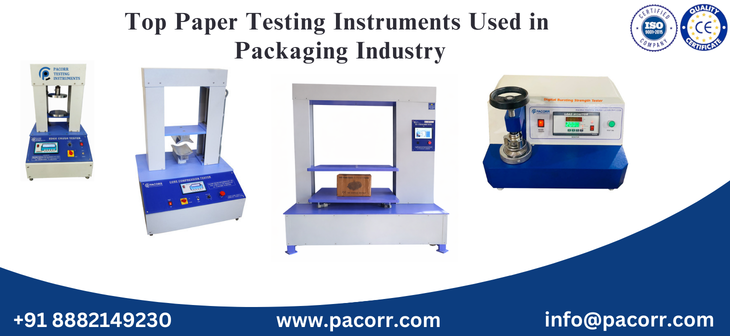
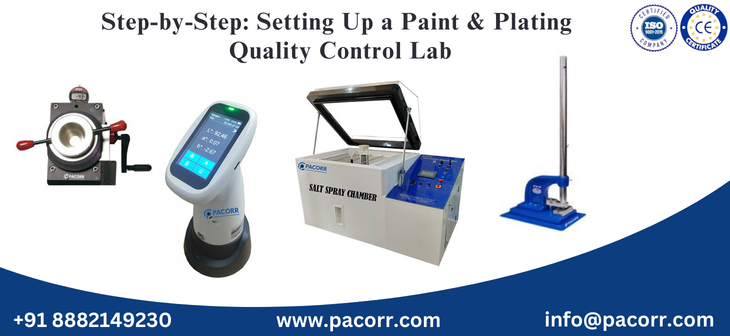
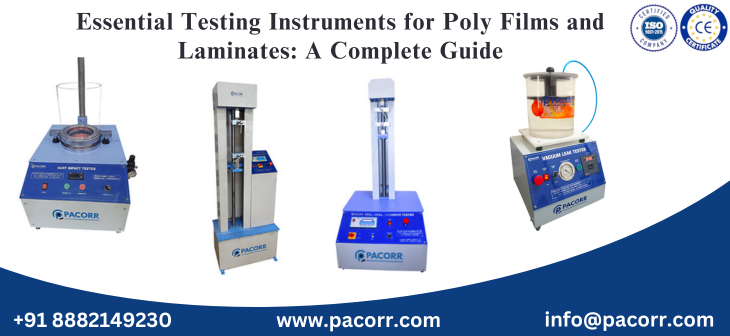
Thanks to Pacorr Testing instruments, we have all the required quality testing instruments that have helped us to ensure the best quality delivered to our clients.

Danish
Fair Exports Pvt. Ltd.
