
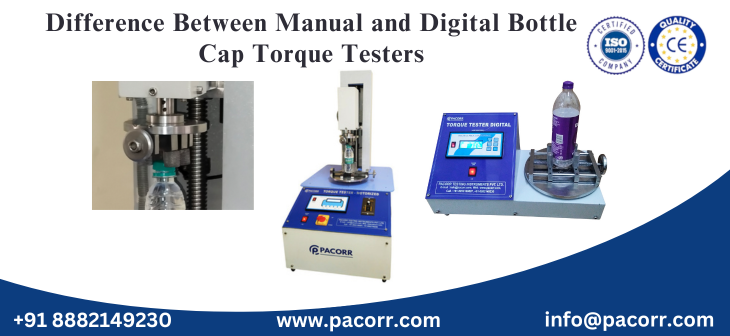
When it comes to ensuring packaging quality, Pacorr stands as a trusted name in the field of bottle cap torque testers. Reliable packaging not only protects the product but also enhances consumer trust and brand reputation. One critical aspect of this process is checking the tightness or removal force of bottle caps. Whether in food and beverages, pharmaceuticals, or cosmetics, using an accurate bottle cap torque tester is essential for both safety and compliance. But how do you choose between manual and digital bottle cap torque testers? In this comprehensive guide, we explore the difference between manual and digital bottle cap torque testers, their respective features, and why brands across industries rely on Pacorr’s solutions.
Understanding the Importance of Bottle Cap Torque Testing
Before diving into the difference between manual and digital bottle cap torque testers, it is crucial to understand why cap torque matters. The proper application and removal torque ensures product integrity, prevents leakage, avoids contamination, and maintains customer satisfaction. Inadequate or excessive torque can lead to spoilage, recalls, or even safety hazards. For manufacturers and quality control professionals, accurate torque testing is a cornerstone of packaging quality assurance.
Pacorr: Industry Leader in Bottle Cap Torque Testers
Pacorr has established itself as a global manufacturer and supplier of precision testing instruments, including a wide range of bottle cap torque testers. With years of industry experience and technical expertise, Pacorr is known for its commitment to quality, innovation, and customer-centric solutions. Whether you need a manual bottle cap torque tester or a cutting-edge digital bottle cap torque tester, Pacorr offers a product portfolio tailored to diverse industry needs.
What is a Manual Bottle Cap Torque Tester?
A manual bottle cap torque tester is a mechanical device designed to measure the force required to open or close bottle caps by hand. Typically, these testers feature a sturdy base, clamping mechanism to secure the bottle, and a dial or pointer to indicate the torque applied. Manual testers are simple, robust, and cost-effective, making them a popular choice for small-scale operations, startups, and labs where high throughput is not a primary concern.
Key Features of Manual Bottle Cap Torque Testers
- Mechanical Operation: Operated by hand, providing direct feedback to the user.
- Analog Display: Uses a dial or gauge to show torque value in real-time.
- Low Maintenance: Fewer electronic components mean lower maintenance requirements.
- Affordable: Generally more budget-friendly than digital models.
- Portable and Compact: Suitable for on-site or mobile testing.
- User-Controlled Testing: Ideal for applications where precise, repeatable results are not critical.
What is a Digital Bottle Cap Torque Tester?
A digital bottle cap torque tester represents a significant technological leap, utilizing electronic sensors and digital displays to deliver accurate and repeatable torque measurements. These testers often feature advanced capabilities such as data logging, programmable test settings, and connectivity options. Digital testers are particularly suited for high-volume production environments, laboratories requiring traceable results, and industries subject to strict regulatory standards.
Key Features of Digital Bottle Cap Torque Testers
- Digital Display: Provides clear, high-resolution torque readings.
- Enhanced Accuracy: Electronic sensors deliver consistent, reliable results.
- Data Logging: Stores test data for quality control and traceability.
- Programmable Settings: Allows customization for different bottle types and test standards.
- Statistical Analysis: Enables advanced reporting and analysis of test results.
- Connectivity: Supports USB, Bluetooth, or Ethernet connections for seamless integration with quality management systems.
- User-Friendly Interface: Intuitive controls reduce operator error and training time.
Difference Between Manual and Digital Bottle Cap Torque Testers
The primary difference between manual and digital bottle cap torque testers lies in their operation, precision, and suitability for specific industry needs. Below, we highlight the key differences to help you make an informed decision.
1. Measurement Accuracy and Consistency
- Manual Bottle Cap Torque Testers: While reliable for basic applications, manual testers rely on human force, which can introduce variability. They are best suited for rough or comparative testing where absolute precision is not critical.
- Digital Bottle Cap Torque Testers: Digital testers utilize advanced sensors to deliver precise and repeatable results, minimizing human error. They are preferred for applications demanding stringent accuracy and regulatory compliance.
2. Data Management and Traceability
- Manual Testers: Typically lack the ability to record or store data. Results must be manually recorded, which increases the risk of transcription errors and complicates audits.
- Digital Testers: Offer integrated data logging, export capabilities, and can generate test reports. This is essential for industries like pharmaceuticals and food, where traceability is crucial.
3. Ease of Use and User Training
- Manual Testers: Require minimal training but depend on the operator’s skill for consistent results. There is a learning curve to applying uniform force and reading the dial accurately.
- Digital Testers: Feature intuitive interfaces with automated functions, reducing training time and enhancing usability. Consistent results can be achieved regardless of operator experience.
4. Application Versatility
- Manual Bottle Cap Torque Testers: Suited for lower production volumes, R&D, or field testing where portability is required.
- Digital Bottle Cap Torque Testers: Designed for high-volume, automated production lines and applications where regulatory compliance and comprehensive data are priorities.
5. Cost and Maintenance
- Manual Testers: Offer a lower initial investment and require minimal upkeep, making them ideal for small businesses and startups.
- Digital Testers: Higher upfront cost, but deliver long-term value through increased efficiency, reduced errors, and advanced features.
Why Pacorr Bottle Cap Torque Testers Stand Out
Pacorr’s product range includes both manual and digital bottle cap torque testers, ensuring there is a perfect fit for every application. What sets Pacorr apart is their commitment to:
- Precision Engineering: Every Pacorr bottle cap torque tester is engineered to deliver accurate, repeatable results in demanding industrial environments.
- Durability: Pacorr testers are built to last, with rugged construction and high-quality materials ensuring long service life.
- Customization: From standard models to bespoke solutions, Pacorr offers bottle cap torque testers designed to meet unique industry challenges.
- After-Sales Support: Comprehensive training, calibration, and technical support make Pacorr a partner in quality, not just a supplier.
Selecting the Right Bottle Cap Torque Tester for Your Needs
Choosing between manual and digital bottle cap torque testers ultimately depends on your specific requirements. Here are some factors to consider:
- Production Volume: High-volume production lines benefit from the speed and automation of digital testers, while small batches may be well-served by manual models.
- Regulatory Requirements: Industries governed by strict standards should opt for digital testers for robust documentation and traceability.
- Budget Constraints: Manual testers are more affordable, but digital testers offer better long-term ROI through improved efficiency.
- Skill Level of Operators: If staff turnover is high or training time is limited, digital testers provide more consistent results.
Applications of Pacorr Bottle Cap Torque Testers
Pacorr’s range of bottle cap torque testers is used across multiple industries, including:
- Food and Beverage: Ensuring bottles are properly sealed to prevent leaks and maintain freshness.
- Pharmaceutical: Guaranteeing child safety and tamper-evident seals meet compliance.
- Cosmetics and Personal Care: Maintaining brand integrity and customer satisfaction.
- Chemicals: Preventing hazardous leaks and ensuring safe transportation.
Conclusion: The Difference Between Manual and Digital Bottle Cap Torque Testers Matters
In the modern world of packaging quality control, understanding the difference between manual and digital bottle cap torque testers is more important than ever. Whether you are looking for a cost-effective manual tester or a high-precision digital tester, Pacorr offers trusted solutions to match your needs. With decades of experience and a reputation for expertise, Pacorr helps manufacturers maintain the highest standards of product safety, quality, and compliance. Investing in the right bottle cap torque tester is not just a purchase it is a commitment to your brand’s reliability and your customers’ satisfaction.
If you are looking to elevate your packaging quality, consider Pacorr’s manual and digital bottle cap torque testers as the gold standard for your torque testing needs.
Recent Blogs
Enhance your understanding of testing and precise quality control indistinct applications with our
knowledge based articles coming from top editors of industry leaders.
Thanks to Pacorr Testing instruments, we have all the required quality testing instruments that have helped us to ensure the best quality delivered to our clients.

Danish
Fair Exports Pvt. Ltd.
