
Pacorr is a leading manufacturer and supplier of advanced Plastic Testing Instruments and Polymer Testing Instruments, helping industries ensure the safety, durability, and compliance of plastic products used across multiple sectors. In modern manufacturing environments where plastics are widely used in packaging, automotive components, electronics, pharmaceuticals, and consumer goods, maintaining strict quality standards has become essential.
Plastic products are exposed to various mechanical, thermal, and environmental stresses throughout their lifecycle—from production and transportation to final consumer usage. Without proper quality evaluation using Plastic Testing Instruments, manufacturers risk product failures, regulatory violations, and damage to brand reputation.
Plastic testing laboratories play a critical role in identifying material defects, verifying product performance, and ensuring compliance with international standards such as ASTM, ISO, DIN, and BIS. These laboratories use sophisticated Polymer Testing Instruments to evaluate mechanical strength, melt properties, chemical stability, and environmental resistance of plastic materials.
With increasing regulatory requirements and consumer expectations, plastic testing is no longer optional it is a fundamental requirement for delivering safe, high-performance, and compliant products. In this detailed guide, we will explore the role of plastic testing labs, the importance of Plastic Testing Instruments, their working principles, key features, and applications across industries.
What is Plastic Testing Instruments and Polymer Testing Instruments
Plastic Testing Instruments are specialized laboratory equipment designed to evaluate the physical, mechanical, thermal, and chemical properties of plastic materials and polymer-based products. These instruments help manufacturers understand how plastics behave under different operating conditions and ensure that materials meet quality and safety standards.
Polymer Testing Instruments specifically focus on analyzing polymer structure, composition, flow behavior, and durability. Since polymers are complex materials composed of long molecular chains, testing is essential to determine their strength, flexibility, melting behavior, and resistance to environmental factors.
Plastic testing typically involves analyzing key parameters such as:
- Tensile strength
- Impact resistance
- Melt flow rate
- Flexural strength
- Compression resistance
- Thermal stability
- Environmental stress cracking
- Barrier properties for packaging materials
Some widely used Plastic Testing Instruments include:
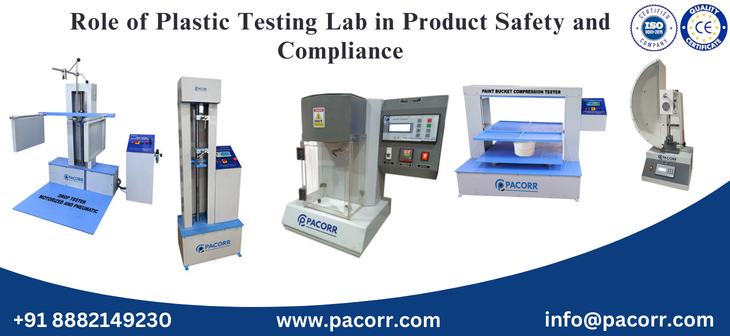
Melt Flow Index Tester
This instrument measures the melt flow rate of thermoplastic polymers under specific temperature and load conditions. It helps determine the processability of plastic materials during manufacturing processes such as injection molding and extrusion.
Universal Tensile Testing Machine
Used to evaluate tensile strength, elongation, and material deformation. This test determines how much force a plastic material can withstand before breaking.
Izod Impact Tester
Impact testers evaluate the resistance of plastic materials to sudden mechanical shock. This test is essential for products exposed to rough handling or accidental drops.
Compression Tester
Compression testing helps evaluate the load-bearing capacity of plastic packaging containers, bottles, and structural components.
Environmental Stress Crack Resistance Tester
This instrument measures the ability of plastic materials to resist cracking when exposed to environmental stress factors such as chemicals, moisture, and temperature variations.
Through these instruments, plastic testing laboratories can determine whether a material is suitable for specific industrial applications.
Importance of Plastic Testing Instruments in Quality Testing
The use of Plastic Testing Instruments in quality control laboratories is critical for ensuring product reliability, compliance, and safety. Plastic materials must perform consistently under various environmental and mechanical conditions.
1. Ensuring Product Safety and Performance
Plastic products are used in applications where failure could have serious consequences. For example:
- Food packaging must prevent contamination.
- Medical plastics must maintain sterility.
- Automotive components must withstand extreme temperatures and mechanical stress.
Using Polymer Testing Instruments, manufacturers can verify that materials meet safety requirements before entering the market.
2. Compliance with International Standards
Global industries must comply with strict quality and safety standards. Testing ensures that products meet regulatory requirements such as:
- ASTM material testing standards
- ISO plastic testing methods
- BIS quality certification
- FDA packaging safety guidelines
Testing laboratories using Plastic Testing Instruments provide documented evidence that products meet these regulations.
3. Improving Manufacturing Efficiency
Testing helps identify material inconsistencies early in the production cycle. This allows manufacturers to adjust raw materials, processing conditions, or design parameters to improve product performance.
4. Preventing Costly Product Failures
Product recalls can lead to financial losses and damage to brand reputation. Proper testing ensures that defective materials are detected before products reach consumers.
5. Supporting Research and Development
Research teams rely on Polymer Testing Instruments to develop innovative plastic materials with improved strength, flexibility, and environmental sustainability.
Key Features of Plastic Testing Instruments
Modern Plastic Testing Instruments incorporate advanced technology that enables accurate, repeatable, and efficient testing procedures.
Precision Measurement Systems
High-resolution sensors measure force, pressure, temperature, and deformation with exceptional accuracy.
Digital Control Systems
Most modern Polymer Testing Instruments include computerized systems that automate testing procedures and store data for analysis.
Multi-Parameter Testing
Advanced instruments allow multiple properties to be tested simultaneously, improving laboratory productivity.
Compliance with Global Testing Standards
Professional testing instruments are designed according to international testing methods such as ASTM, ISO, DIN, and TAPPI.
Robust and Durable Design
Testing instruments are built using durable materials to ensure long-term performance even in high-usage laboratory environments.
Data Logging and Reporting
Digital reporting features allow engineers to generate detailed test reports that support regulatory compliance and quality documentation.
Working Principle of Plastic Testing Instruments
Although different types of Plastic Testing Instruments perform unique functions, most follow a similar testing methodology.
Sample Preparation
Plastic samples are prepared according to standardized dimensions specified in international testing protocols.
Controlled Testing Environment
The sample is placed inside the testing instrument where environmental conditions such as temperature and humidity may be controlled.
Application of Mechanical or Thermal Stress
The instrument applies specific stress conditions such as tension, compression, heat, or impact to simulate real-world conditions.
Examples include:
- Tensile testers stretching materials until failure
- Melt flow testers measuring polymer flow behavior
- Compression testers applying vertical load to packaging containers
Sensor-Based Measurement
Sensors continuously monitor changes in parameters such as deformation, pressure resistance, temperature response, and fracture points.
Data Analysis
The collected data is processed through integrated software systems to determine material performance characteristics.
These insights help manufacturers optimize product design, improve manufacturing processes, and maintain product quality.
Applications of Plastic Testing Instruments in Different Industries
Packaging Industry
Packaging materials must withstand transportation stress, stacking pressure, and environmental exposure.
Testing evaluates:
- Compression strength of corrugated boxes
- Drop resistance of packaging containers
- Seal integrity of flexible packaging
Automotive Industry
Automotive manufacturers rely on Polymer Testing Instruments to evaluate plastic components used in vehicle interiors and engine compartments.
Testing ensures:
- High temperature resistance
- Impact durability
- Structural integrity
Medical and Pharmaceutical Industry
Medical plastics must meet strict safety and sterility requirements. Testing ensures that materials are chemically stable and safe for patient use.
Consumer Electronics
Plastic components used in electronic devices must be durable, heat resistant, and structurally reliable.
Construction and Infrastructure
Plastic pipes, insulation materials, and construction components must withstand environmental exposure and structural stress.
Testing verifies durability, load capacity, and environmental resistance.
How to Choose the Right Plastic Testing Instruments
Selecting the appropriate Plastic Testing Instruments depends on several factors.
Define Testing Objectives
Identify which material properties must be evaluated for your products.
Consider Industry Standards
Ensure the equipment complies with testing standards relevant to your industry.
Evaluate Accuracy and Reliability
Choose instruments with advanced sensors and calibration features.
Look for Advanced Software Features
Data analysis and reporting software improve testing efficiency and documentation.
Assess Manufacturer Support
Reliable suppliers offer installation, calibration, maintenance, and technical support.
Why Choose Pacorr for Plastic Testing Instruments
Pacorr has established itself as a trusted provider of high-quality Plastic Testing Instruments and Polymer Testing Instruments designed to meet modern industry requirements.
Industry Expertise
With years of experience in material testing technology, Pacorr understands the testing needs of packaging and manufacturing industries.
Advanced Testing Solutions
Pacorr offers a wide range of precision instruments including:
- Melt Flow Index Tester
- Tensile Strength Tester
- Drop Tester
- Burst Strength Tester
- Compression Tester
- Environmental Stress Crack Resistance Tester
- Izod Impact Tester
Compliance with Global Standards
Pacorr instruments are designed to meet international testing protocols ensuring reliable and consistent results.
Technical Support and Training
Pacorr provides expert guidance, installation services, and after-sales support to help laboratories operate testing equipment effectively.
Contact Pacorr for Reliable Plastic Testing Instruments
If you want to improve product quality and compliance through advanced Plastic Testing Instruments, Pacorr offers the perfect solutions for your testing laboratory.
Contact our experts today:
Email: info@pacorr.com
Phone: +91 8882149230
Our team will help you select the right Polymer Testing Instruments for your industry requirements.
Conclusion
Plastic testing laboratories play an essential role in modern manufacturing by ensuring that plastic materials meet strict safety, durability, and regulatory standards. The use of advanced Plastic Testing Instruments and Polymer Testing Instruments enables manufacturers to evaluate material performance accurately and identify potential defects before products reach the market.
By integrating reliable testing procedures into quality control processes, companies can improve product reliability, reduce production risks, and comply with global industry standards.
Pacorr continues to support industries with advanced testing technologies that deliver precise, reliable, and efficient results.
To explore Pacorr’s complete range of Plastic Testing Instruments, contact our team today.
Email: info@pacorr.com
Phone: +91 8882149230
Frequently Asked Questions (FAQs)
1. What are Plastic Testing Instruments used for?
Plastic Testing Instruments are used to analyze the physical, mechanical, and thermal properties of plastic materials to ensure product quality, durability, and compliance with industry standards.
2. What is the purpose of Polymer Testing Instruments?
Polymer Testing Instruments evaluate polymer characteristics such as melt flow rate, tensile strength, flexibility, and environmental resistance to determine material suitability for specific applications.
3. Why is plastic testing important in manufacturing?
Plastic testing helps manufacturers maintain product quality, comply with international standards, prevent product failures, and ensure safety for end users.
4. Which industries require Plastic Testing Instruments?
Industries including packaging, automotive, pharmaceuticals, medical devices, electronics, and construction rely heavily on Plastic Testing Instruments.
5. What standards are used in plastic testing laboratories?
Plastic testing commonly follows international standards such as ASTM, ISO, DIN, and BIS.
6. How does a Melt Flow Index Tester work?
A Melt Flow Index Tester measures the flow rate of molten polymer through a standardized die under specific temperature and load conditions to determine processability.
7. How can I choose the best Polymer Testing Instruments?
Consider factors such as testing requirements, accuracy, compliance with standards, software capabilities, and after-sales support from the equipment manufacturer.
Recent Blogs
Enhance your understanding of testing and precise quality control indistinct applications with our
knowledge based articles coming from top editors of industry leaders.
Thanks to Pacorr Testing instruments, we have all the required quality testing instruments that have helped us to ensure the best quality delivered to our clients.

Danish
Fair Exports Pvt. Ltd.
