
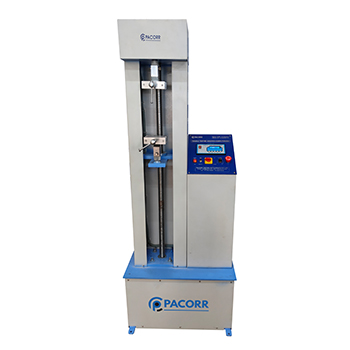
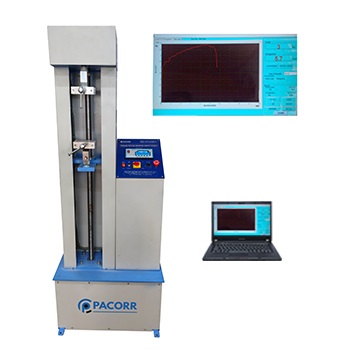
.jpg "Universal Tensile Testing Machine (UTM)")
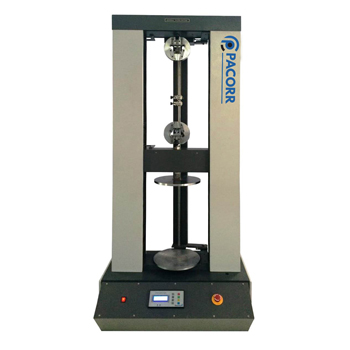
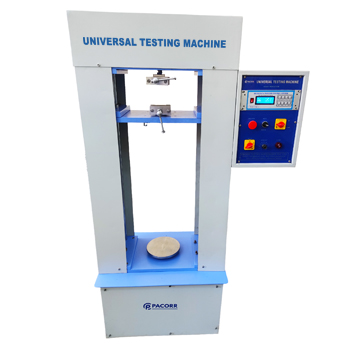

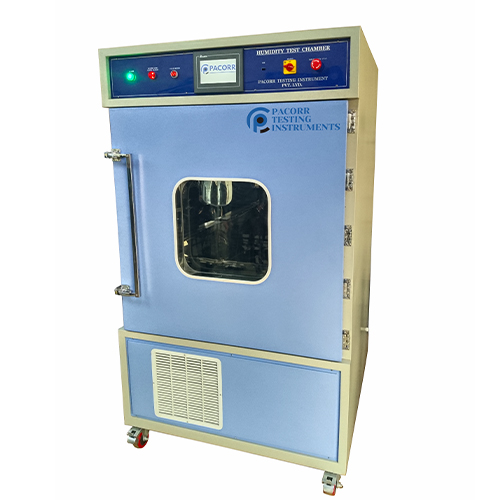
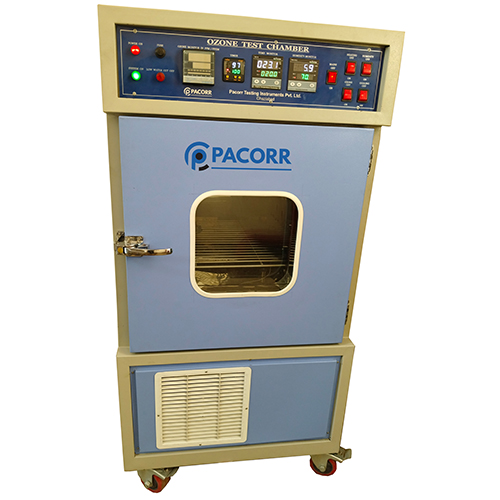
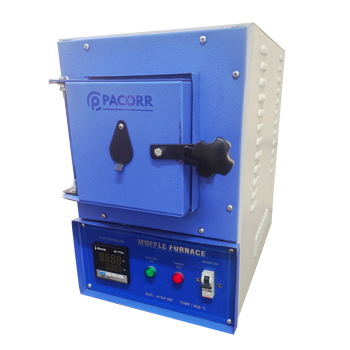
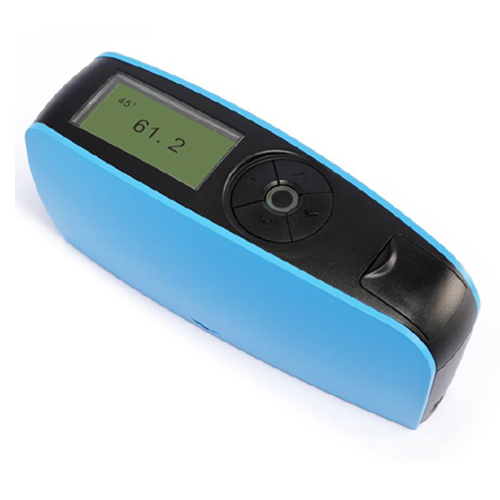
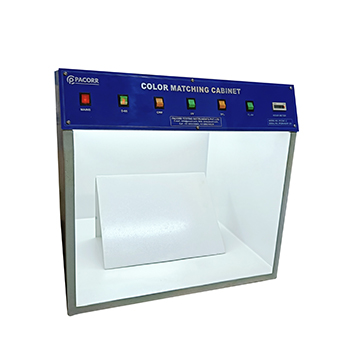
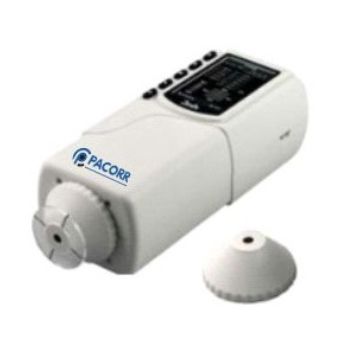
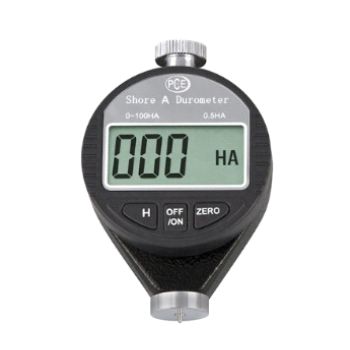
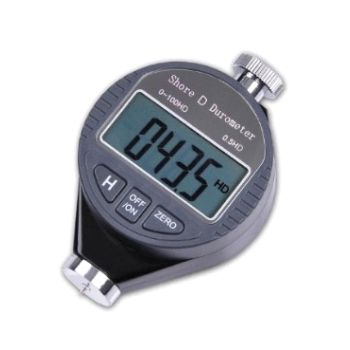
Rubber Testing Instruments
Pacorr is a trusted and leading manufacturer and supplier of Rubber Testing Instruments, delivering advanced solutions for quality control, R&D, and compliance testing in industries that rely on rubber-based materials. Our instruments are designed to test the mechanical, physical, and chemical properties of rubber, ensuring that manufacturers produce durable, reliable, and compliant products.
With the increasing need for product durability, safety, and regulatory compliance, reliable rubber testing has become an essential part of modern manufacturing. Pacorr’s innovative instruments are widely used to test tensile strength, elongation, hardness, abrasion resistance, tear resistance, and aging performance of rubber materials. These properties are critical in applications like automotive parts, industrial gaskets, seals, footwear, aerospace components, and medical equipment, where precision and performance cannot be compromised.
Pacorr’s rubber testing solutions are engineered with accuracy, consistency, and ease-of-use, helping laboratories and production facilities streamline testing processes while ensuring adherence to international testing standards (ASTM, ISO, BIS, and more). Whether in R&D environments or on production floors, our instruments provide actionable insights into rubber behavior under real-world conditions, enabling manufacturers to reduce failures, improve formulations, and deliver high-quality end-products to the market.
Frequently Asked Questions (FAQs) on Rubber Testing Instruments
Q1. What are Rubber Testing Instruments and why are they important?
Answer: Rubber Testing Instruments are specialized machines designed to check the strength, elasticity, flexibility, and reliability of rubber materials. They help manufacturers ensure that rubber-based components meet exact performance requirements before being used in products like tires, hoses, gaskets, seals, and medical devices. These tests identify weaknesses in raw materials or finished goods, enabling data-driven improvements that reduce product failures, ensure regulatory compliance, and enhance customer satisfaction.
Q2. Which industries benefit from Rubber Testing Instruments?
Answer: Rubber plays an essential role in multiple industries, making testing indispensable.
- Automotive – tires, hoses, seals, engine mounts, and vibration parts
- Aerospace and Defense – rubber parts designed to withstand extreme conditions
- Medical Devices – ensuring safety, elasticity, and durability of critical equipment
- Footwear and Consumer Goods – ensuring comfort, strength, and longevity
- Industrial Manufacturing – seals, gaskets, insulation, and more
Across these industries, rubber testing ensures reliability, safety, and performance in end-use applications.
Q3. What types of tests are performed using Rubber Testing Instruments?
Answer: Pacorr’s instruments can perform a wide range of tests, including:
- Tensile strength & elongation – for elasticity and breaking strength
- Tear resistance – durability under stress
- Hardness measurement (Shore A/D scales)
- Abrasion resistance – against wear and friction
- Aging tests under heat, UV, or ozone exposure
These tests replicate real-world stress conditions, helping manufacturers design products that last longer and perform consistently.
Q4. How do Rubber Testing Instruments improve manufacturing quality?
Answer: With precise measurement of material properties, manufacturers can:
- Detect defects early and reduce rework
- Improve batch-to-batch consistency
- Optimize material usage to minimize waste
- Maintain compliance with global quality standards
- Ensure reliability in critical applications
Overall, rubber testing enhances process efficiency, builds trust, and helps deliver products that stand out in the market.
Q5. Does Pacorr provide customized Rubber Testing Instruments?
Answer: Yes. Pacorr specializes in customized solutions designed for specific materials and applications—whether it’s natural rubber, synthetic elastomers, or advanced composites. Custom options include:
- Adjustable test ranges
- Integration with digital software for data management
- Industry-specific test protocols
These innovations are particularly useful for R&D labs and manufacturers developing special-purpose rubber products.
Q6. Are Pacorr’s Rubber Testing Instruments standard compliant?
Answer: Absolutely. Pacorr ensures that all instruments comply with ASTM, ISO, BIS, and other international standards. This makes the test results globally reliable and acceptable, which is critical for:
- Exporters
- Third-party audits
- High-risk industries like medical, aerospace, or defense
Standard-aligned equipment also helps streamline product certifications and build stronger credibility in global markets.
Q7. Where can I buy reliable Rubber Testing Instruments?
Pacorr is a globally trusted manufacturer and supplier of high-quality Rubber Testing Instruments, serving clients not only in India but also across international markets. Our instruments are widely used in automotive, aerospace, medical, footwear, and industrial manufacturing sectors worldwide.
Whether you are in India, Asia, Europe, the Middle East, or other global regions, Pacorr ensures:
- International standard compliance (ASTM, ISO, BIS, etc.)
- Expert consultation to select the right testing solution
- Customization options for specific industrial or R&D needs
- Robust after-sales support for long-term reliability
Why Choose Pacorr?
- Trusted brand in rubber testing equipment
- Compliant with global standards (ASTM, ISO, BIS)
- Customizable solutions for R&D and industrial use
- Accurate, reliable, and user-friendly instruments
- Strong after-sales service and support in India & worldwide
Recent Blogs
Enhance your understanding of testing and precise quality control indistinct applications with our
knowledge based articles coming from top editors of industry leaders.
Thanks to Pacorr Testing instruments, we have all the required quality testing instruments that have helped us to ensure the best quality delivered to our clients.

Danish
Fair Exports Pvt. Ltd.
