Choosing the right salt spray chamber size
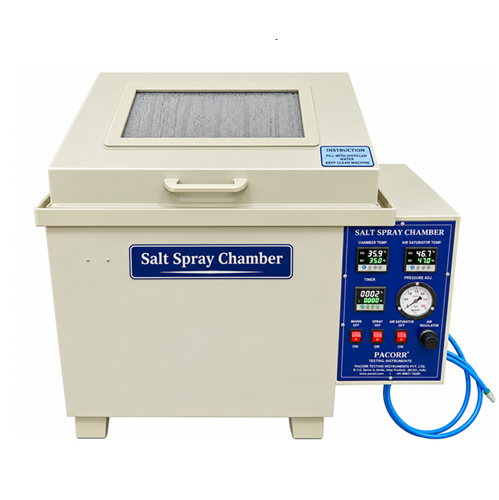
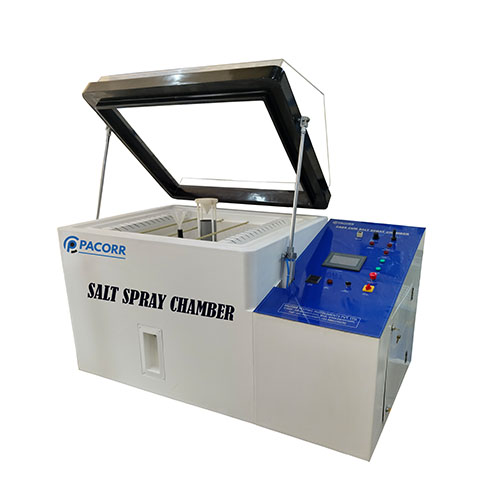
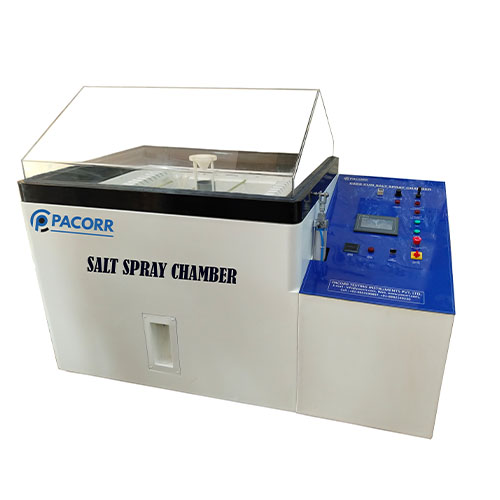
Use the table to identify the model, then check the proposed layout. A long painted panel and a batch of small bolts can take up very different amounts of usable space. For panels, measure the longest edge and the height needed at the test angle. For fasteners, count the pieces and allow room for the holders and the spacing your test method calls for.
If you are deciding between the 100 and 108 litre models, ask for the usable internal dimensions of both. The extra eight litres alone cannot tell you whether a particular panel will fit. For mixed batches, send a sketch or photo of a typical load with your enquiry.
What can you test in a salt spray chamber?
Plated fasteners and machined parts
A plating shop can run fasteners from two production lots side by side. Identify each lot before exposure and inspect the areas named in the customer’s specification. Record whether corrosion appears on a thread, a cut edge or the main plated surface. That detail gives the finishing team a specific area to investigate.
Painted panels and powder-coated components
A coatings lab can compare panels prepared with two finishes on the same base metal. Keep the specimen preparation and exposure period consistent. If the customer assesses the panel face and its edges separately, photograph and label both areas so the report shows exactly where the finish changed.
How the chamber controls salt fog exposure
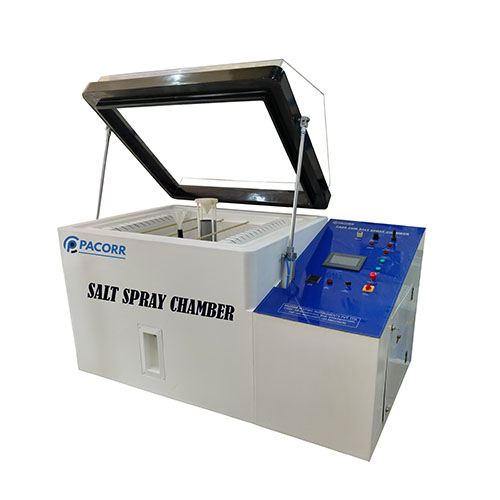
The door opens manually for loading. A 15-litre internal tank holds the salt solution, and the air saturator conditions the compressed air used to form the fog. The salt solution pH range is 6.5 to 7.2. If your lab needs a meter for this check, a tabletop pH meter is available as an option.
The built-in PID controller regulates the chamber temperature. Its operating range is ambient to 40 °C, and the specified test condition is 35 ± 2 °C. The chamber and saturator each show temperature in 0.1 °C increments and each has a specified repeatability of ±2 °C. The saturator has its own temperature range, up to 47 °C.
How do you check the fog collection rate?
The funnel inside the chamber collects deposited salt fog. Measure the collected liquid with the supplied cylinder and record the collection time. The specified rate is 1–2 mL per 80 cm² per hour. This reading describes the fog that settles on a collecting area. Use it when checking the exposure conditions for a run.
Worked example. If an 80 cm² collector gathers 36 mL in 24 hours, the average is 36 ÷ 24 = 1.5 mL per hour. That reading falls within the specified collection range. Record the collection area, volume and elapsed time together so another technician can check the calculation.
What does your lab need for installation?
Arrange a 220 V AC, 50 Hz power supply and a source of compressed air capable of delivering approximately 7 cfm. Your lab also supplies the main air-line pressure regulator with a filter. When checking the site with your facilities team, give them both the flow requirement and the test air pressure of 0.7 to 1.2 kgf/cm².
The air saturator, fog collection funnel and measuring cylinder come with the chamber. If you already measure solution pH on the bench, you can use your lab’s meter. Otherwise, include the optional tabletop pH meter when requesting a quotation.
What to record for a corrosion test
Before exposure, identify the specimen, finish and batch, and note the test duration and acceptance criteria from the applicable specification. During exposure, keep the temperature, solution pH and fog collection readings with the run record. After exposure, record the actual elapsed time and photograph the specimen areas being assessed.
For a repeat order, that record lets you compare the new batch with an earlier one and see whether the test conditions and inspection criteria were the same. It also gives the customer a clear basis for reviewing a reported corrosion mark.
Frequently asked questions
How long should an ASTM B117 salt spray test run?
Use the duration required by the specification for your part or coating. For example, if your customer specifies 96 hours, that is the exposure period for that job. The digital timer can be set for up to 9,999 hours. ASTM B117 describes the apparatus and test environment and leaves product-specific exposure periods and interpretation to the applicable specification. Read the scope of ASTM B117.
Does the 150 litre chamber hold more salt solution?
All three models have a 15-litre internal solution tank. The 100, 108 and 150 litre figures refer to the specimen chamber. Choose the larger model when your sample layout calls for more chamber space.
Can salt spray hours predict years of outdoor service?
There is no general conversion from chamber hours to years outdoors. Use salt spray results to compare specimens under a defined exposure or assess them against a product specification. A service-life estimate needs evidence from the intended environment.
Request a salt spray chamber quote
For model-specific pricing, send Pacorr your preferred chamber capacity, largest specimen dimensions and quantity per run. If you have a customer test specification, include the exposure period and any specimen mounting requirements so the team can check the proposed configuration. Request a quotation from Pacorr.