
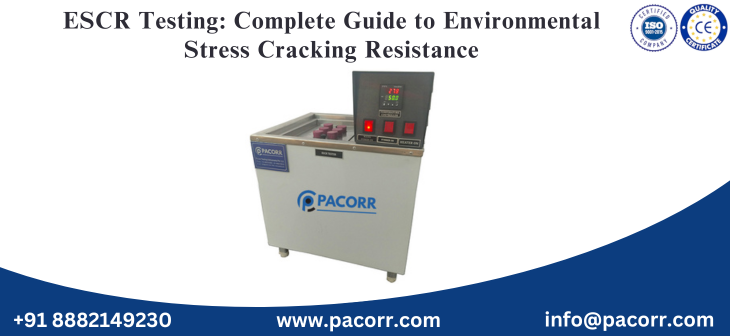
Plastic components often fail in ways that cannot be predicted through normal strength testing alone. A bottle, pipe, closure, or moulded part may appear strong during production but gradually develop fine cracks when it remains under stress and comes into contact with detergents, oils, chemicals, or surfactants. ESCR Testing helps manufacturers evaluate this hidden risk before the product reaches the market.
What is Environmental Stress Cracking?
Environmental stress cracking is the formation of cracks in a plastic material due to the combined effect of mechanical stress and chemical exposure.
The chemical involved may not visibly damage or dissolve the plastic. Instead, it weakens the material at stressed areas and allows small cracks to begin and spread over time. These stresses may come from moulding, extrusion, cooling, bending, tightening, filling pressure, transportation, or actual product use.
This type of failure is commonly associated with polyethylene materials, especially HDPE products used for bottles, chemical containers, pipes, closures, and industrial components.
What is ESCR Testing?
ESCR, or Environmental Stress Cracking Resistance testing, measures how well a plastic material resists cracking under controlled stress and environmental conditions.
During the test, specially prepared specimens are bent or stressed and exposed to a specified test solution at a controlled temperature. The samples are then observed for crack formation over a defined period.
The test allows manufacturers to compare different resin grades, formulations, suppliers, production batches, and processing conditions. It can also help identify whether a material change may affect the long-term reliability of a finished product.
Why is ESCR Testing Important?
A material can have good tensile strength or impact resistance and still perform poorly under environmental stress. This is why conventional mechanical testing cannot replace ESCR evaluation.
For example, an HDPE detergent bottle may pass compression and drop tests but later crack near the handle, neck, base, or moulded corners. These areas often contain residual stress from manufacturing. When the stress acts together with the packed chemical, premature failure may occur.
ESCR testing helps manufacturers reduce this risk by supporting:
- Better resin and material selection
- Comparison of polymer formulations
- Investigation of cracking complaints
- Control of batch-to-batch variation
- Improvement of moulding and processing conditions
- Development of more reliable plastic products
ESCR Testing According to ASTM D1693
ASTM D1693 is a commonly referenced test method for evaluating the environmental stress-cracking resistance of ethylene plastics.
The method defines important testing conditions such as specimen preparation, notching, bending, test solution, temperature, and evaluation period. These controls are necessary because even minor differences in sample thickness, notch depth, stress level, or temperature can significantly affect the result.
For reliable comparison, laboratories should follow the applicable test method carefully and maintain consistent specimen preparation.
Factors Affecting ESCR Performance
Environmental stress cracking resistance depends on several material and processing variables. Polymer grade, molecular structure, crystallinity, wall thickness, moulding temperature, cooling rate, product geometry, chemical concentration, and exposure temperature can all influence performance. Sharp corners, uneven thickness, threads, weld lines, and moulding defects may also create local stress concentration points.
For this reason, ESCR results should be interpreted along with product design and manufacturing conditions rather than treated as an isolated value.
Applications of ESCR Testing
ESCR testing is useful in industries manufacturing:
- HDPE and LDPE bottles
- Chemical and detergent containers
- Plastic pipes and fittings
- Automotive polymer components
- Closures and caps
- Industrial moulded parts
- Polymer raw materials and compounds
Conclusion
ESCR Testing provides a practical way to evaluate how plastic materials behave when mechanical stress and chemical exposure act together. It is especially important for polyethylene products that must remain reliable during storage, transport, and long-term use.
By testing materials under controlled conditions, manufacturers can make informed decisions about resin selection, processing quality, product design, and failure prevention. An accurate ESCR test does not provide an exact service-life prediction, but it offers valuable comparative data for improving product durability and reducing unexpected cracking.
For information about an Environmental Stress Cracking Resistance Tester, contact Pacorr Testing Instruments.
Email: info@pacorr.com
Phone: +91-8882149230
About the Author
Anand Rathor is a Technical Content Writer at Pacorr Testing Instruments. He specializes in creating informative content on laboratory testing equipment, quality control, and material testing to help manufacturers understand testing standards and choose the right testing solutions.
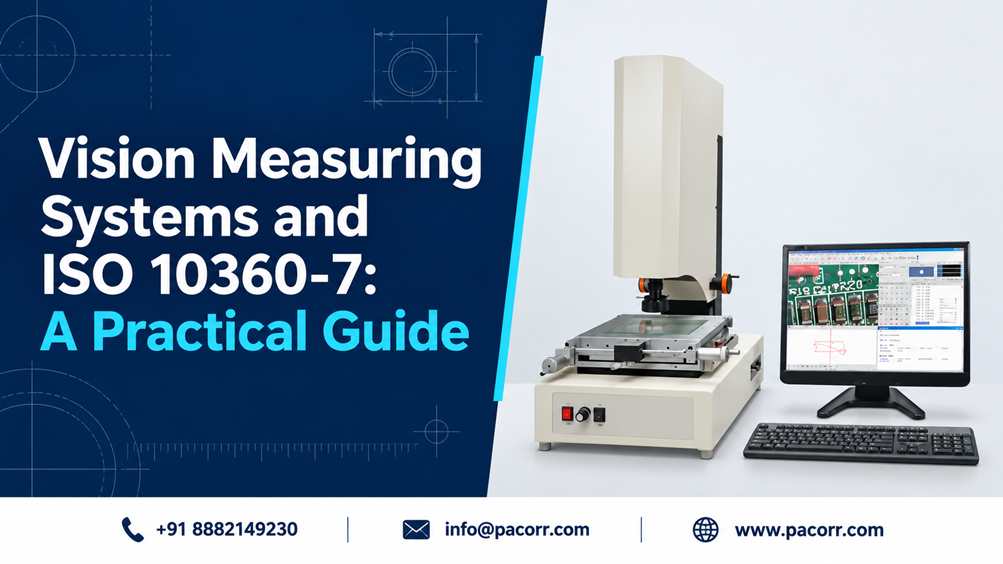
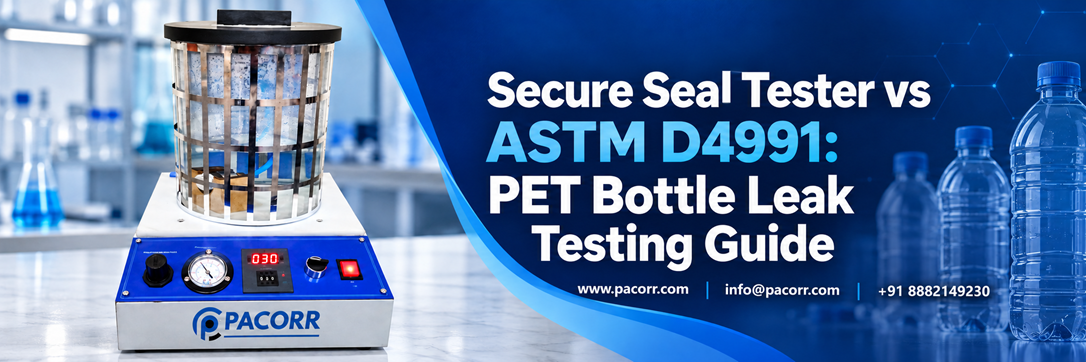
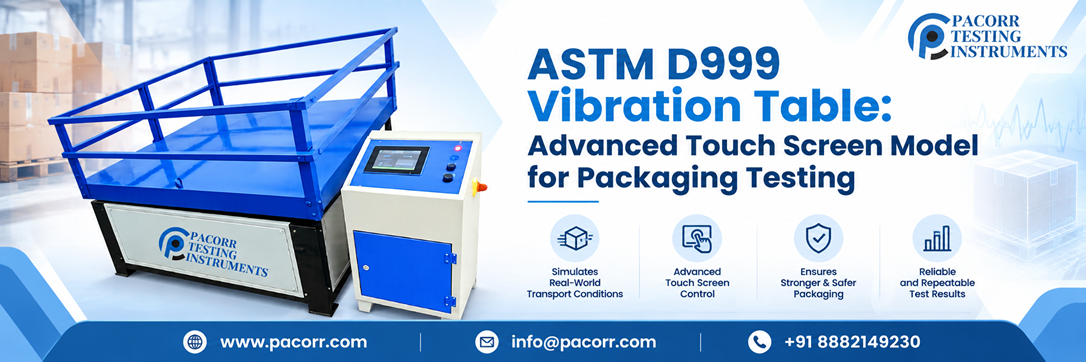
Recent Blogs
Enhance your understanding of testing and precise quality control indistinct applications with our
knowledge based articles coming from top editors of industry leaders.
Our USP's
Demonstration of Machine
- Try Before You Decide
- Experience Before You Invest
- See It in Action – Free Demo
Global Reach
- Delivering Excellence Worldwide
- Serving Across Borders
- Your Global Supply Partner
On-Site Support
- Support That Comes to You
- On-Ground Assistance, Anywhere
- We Reach Where You Are
Team Strength
- Powered by Expert Minds
- Driven by Skilled Professionals
- Engineering Excellence Team
Manufacturing
- Precision-Driven Manufacturing
- Smart & Automated Production
- Engineered In-House Excellence
